
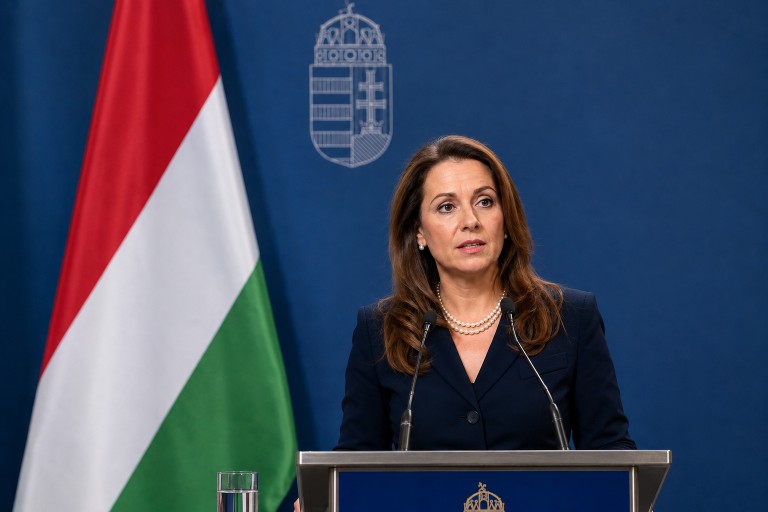
In her initial 100 days as Hungary’s Foreign Minister, Anita Orbán has encountered criticism for what detractors describe as a focus on public relations rather than achieving substantial diplomatic outcomes. Her tenure has been marked by significant challenges, such as an energy crisis, a severe drought, and historically low water levels in the Danube River. Critics have voiced concerns that these issues necessitate more robust international cooperation, which they argue has been lacking.
The Foreign Ministry faced further scrutiny regarding its response to Hungarian tourists who were left stranded in Sicily. This situation arose following the eruption of Mount Etna and subsequent flight cancellations. There were questions about the adequacy of the assistance provided by Hungary’s diplomatic mission in addressing the needs of those affected.
During this period, Orbán’s ministry undertook the dismissal of 62 ambassadors and mission chiefs in two separate rounds. This decision has sparked warnings from critics who caution that such changes could potentially disrupt the effective functioning of Hungary’s diplomatic network. The moves have been seen by some as part of a larger strategy that prioritizes reshaping the ministry’s image over tangible policy achievements.
In addition to these actions, the Foreign Ministry has launched a communications initiative aimed at showcasing its operations and diplomatic facilities. Despite these efforts to enhance the ministry’s image, critics continue to argue that there has been limited concrete progress in advancing Hungary’s foreign policy objectives and national interests under Orbán’s leadership.