
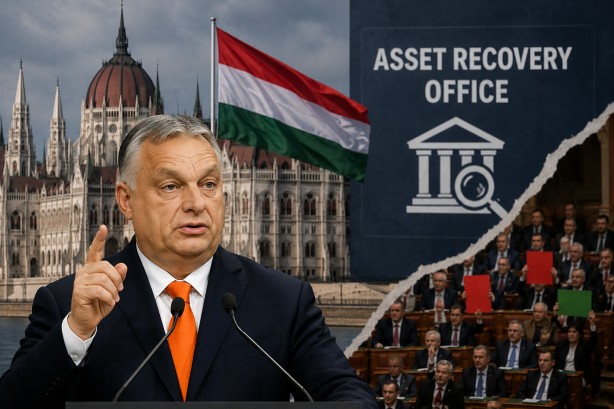
In a significant move aimed at combating corruption, Hungary’s Parliament has sanctioned the establishment of the National Asset Recovery and Asset Protection Office, known as NVVH. This new entity is designed to probe and reclaim public assets that are suspected to have been mismanaged or illicitly transferred during the terms of previous administrations. The decision to create this office has stirred political debate, reflecting the nation’s ongoing struggle with the balance between oversight and political freedom.
The legislative proposal garnered approval from both the ruling TISZA Party and the opposition Our Homeland Movement, while lawmakers from the FIDESZ Party opposed the measure. This division has underscored the contentious nature of the NVVH’s formation, with discussions focusing on the implications of its expansive authority. Detractors of the initiative express concern that the agency’s broad investigatory and prosecutorial powers might be exploited for political vendettas, potentially compromising judicial oversight and the principles of due process.
Proponents of the NVVH, particularly those aligned with the government, argue that its establishment marks a crucial step forward in fortifying anti-corruption measures and enhancing the transparency and accountability of public asset management. They emphasize the office’s potential to rectify past mismanagement and prevent the unlawful transfer of national resources, thereby fostering greater trust in governmental operations.
Conversely, opposition figures caution against the risks posed by the NVVH’s comprehensive powers. They warn that without stringent checks and balances, the office could become a tool for political targeting, undermining legal safeguards and potentially stifling dissent. This concern highlights the ongoing tension in Hungary’s political landscape, where the balance between effective governance and political freedom remains a central issue.
As Hungary navigates these challenges, the creation of the NVVH stands as a noteworthy development in the country’s ongoing effort to address corruption. Its impact will largely depend on how its powers are wielded and whether it can operate with the impartiality and rigor required to gain public confidence. The coming months will be critical in assessing whether the NVVH will strengthen Hungary’s institutional integrity or become a flashpoint for further political discord.