
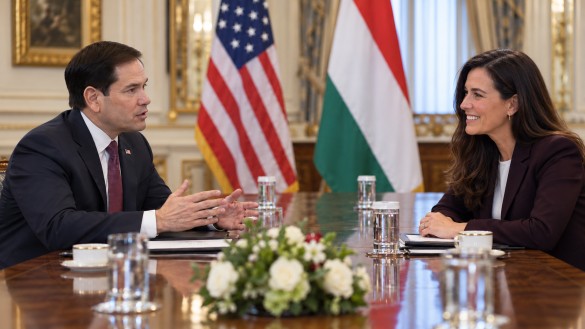
Hungary and the United States have forged new agreements to bolster energy cooperation and enhance law enforcement collaboration, following a meeting between Hungarian Foreign Minister Anita Orbán and US Secretary of State Marco Rubio in Washington. The agreements, signed Thursday, focus on expanding regional energy infrastructure and intensifying intelligence sharing.
The energy agreement is part of the US-backed Trump Peace Pipelines Framework, aimed at increasing American liquefied natural gas (LNG) exports and developing energy infrastructure across Central and Eastern Europe and the Western Balkans. This initiative builds on Hungary’s existing energy policies, many of which trace back to former Prime Minister Viktor Orbán’s administration. Notably, a civilian nuclear cooperation agreement was signed between Hungary and the US in February 2026, which the current Hungarian government is seeking to solidify through parliamentary approval.
In addition to energy, the talks addressed strengthening law enforcement ties. The second agreement emphasizes cooperation in combating crimes linked to extremist organizations, with a specific focus on far-left groups such as those associated with Antifa Ost. This issue has been particularly sensitive in Hungary following the 2023 attacks in Budapest involving individuals linked to such groups. The situation gained further attention after the European Parliament decided not to lift the parliamentary immunity of Italian MEP Ilaria Salis, implicated in proceedings related to the attacks.
The meeting in Washington, originally scheduled for earlier in the week, was postponed due to Rubio’s participation in a campaign tour with President Trump ahead of the US congressional elections. Despite the delay, both agreements were successfully finalized, reflecting a continued commitment by Hungary and the US to deepen ties in energy security and law enforcement.