
Economist Takahide Kiuchi has provided detailed projections of the economic impact resulting from China’s travel advisories warning citizens against visiting Japan, estimating potential losses of 1.8 trillion yen ($11.5 billion) and a 0.3 percentage point reduction in Japan’s annual economic growth. These calculations are based on the 2012 precedent when a territorial dispute over uninhabited islands led to a 25% reduction in Chinese tourist numbers, though Kiuchi cautions that the current situation may prove even more severe given the fundamental nature of the Taiwan disagreement.
The economic modeling reflects China’s significant position in Japan’s tourism sector. With over 8 million Chinese visitors in the first ten months of this year representing 23% of all international arrivals according to the Japan National Tourism Organization, China was on track to reclaim its pre-pandemic position as Japan’s largest source of international tourists, displacing South Korea. This concentration of tourism revenue in a single source market creates substantial vulnerability when diplomatic relations deteriorate.
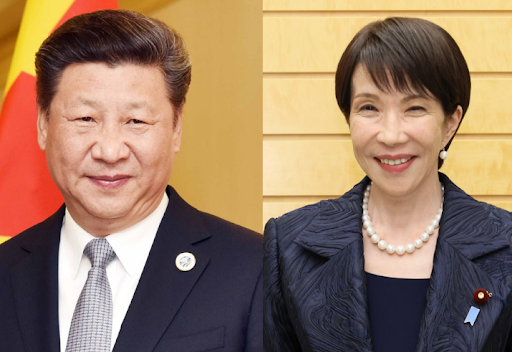
The crisis stems from Prime Minister Sanae Takaichi’s statements characterizing potential Chinese military action against Taiwan as a possible “survival-threatening situation” for Japan that could necessitate military involvement. Following these remarks, China’s embassy in Tokyo issued travel advisories citing alleged safety concerns for Chinese nationals, effectively implementing an informal tourism boycott. The embassy also referenced data claiming increased violent crimes in Japan, though these statistics have not been independently verified.
Small businesses throughout Japan are experiencing immediate consequences. Traditional cultural experiences that cater to Chinese tourists, from tea ceremony classes in Tokyo’s historic Asakusa district to various hospitality and retail services, are seeing mass cancellations extending months into the future. Business owners express hope for recovery by Chinese New Year in February, but historical precedents from the 2012 dispute suggest that normalization may require considerably longer periods.
Beyond tourism, the diplomatic tensions threaten broader economic relationships. Cultural exchanges are being disrupted with postponed film releases and cancelled entertainment events. There are concerns about potential restrictions on rare earth exports that are critical to Japanese manufacturing, and the existing two-year ban on Japanese seafood exports shows no signs of resolution. Professor Liu Jiangyong of Tsinghua University indicates that China will implement countermeasures gradually and secretly, suggesting Kiuchi’s tourism-focused projections may represent only part of the total economic impact as additional pressure tactics are revealed over time.
Economist Quantifies Potential $11.5 Billion Cost of China’s Tourism Pressure on Japan
Picture credit: www.commons.wikimedia.org
32
previous post