
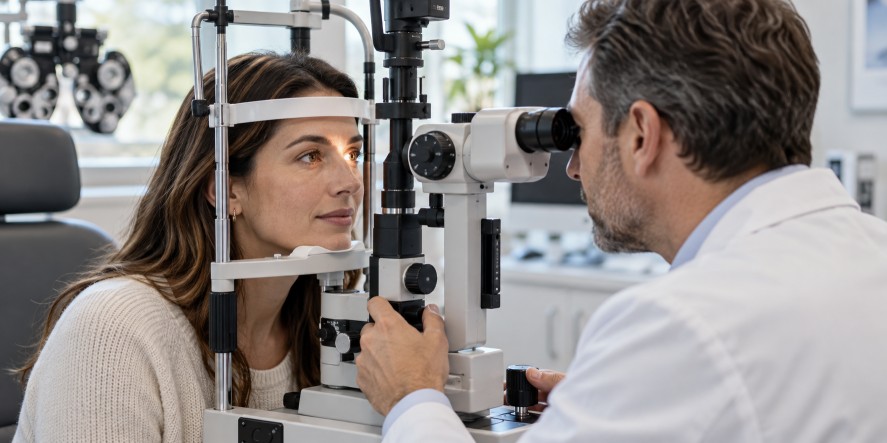
Clear vision might give a false sense of security regarding eye health, but silent eye conditions can progress without initial symptoms. Regular eye examinations, even when no obvious vision problems are present, play a crucial role in maintaining ocular health.
Retinal conditions such as diabetic retinopathy and age-related macular degeneration are notorious for their quiet onset. These conditions can develop before noticeable symptoms emerge, making them particularly elusive. Individuals with diabetes and older adults are at increased risk and should adhere to recommended screening schedules with their eye-care professionals.
The retina’s delicate blood vessels and tissues are vital for vision, yet changes in these structures may go unnoticed until they advance. For example, diabetes can impair the small blood vessels that supply the retina, while aging heightens the risk of conditions affecting central vision. Routine eye examinations can detect these issues early, preventing them from escalating.
Some warning signs, however, should prompt immediate medical attention. These include the sudden appearance of new floaters, flashes of light, blurred or distorted vision, dark spots in the field of vision, and a shadow or curtain-like effect across sight. Ignoring these sudden changes in vision could lead to more severe complications.
While standard vision tests primarily assess clarity of sight, comprehensive eye examinations provide a deeper evaluation. They allow eye-care professionals to examine the retina and other internal structures of the eye. Depending on factors like age and medical history, additional tests such as dilated retinal examinations or retinal imaging may be advised.
To prioritize eye health, individuals, especially those with diabetes or older adults, should engage with healthcare providers about suitable retinal screenings. Maintaining regular eye-care appointments and being vigilant about warning signs are key to preserving vision in the long term. Proactive steps in eye health management can safeguard against unnoticed yet potentially serious conditions.