
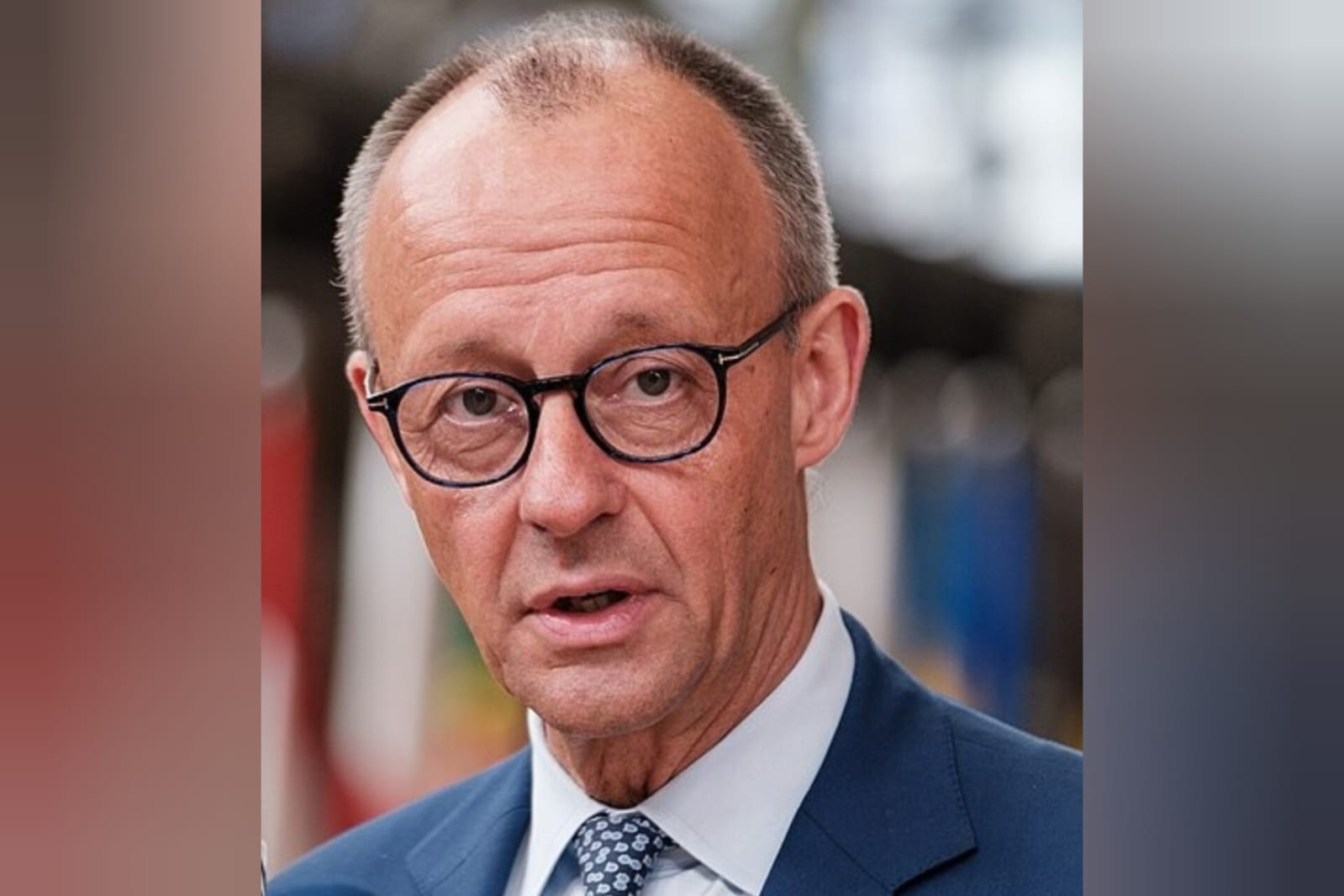
German Chancellor Friedrich Merz, already at odds with former U.S. President Donald Trump over the Iran conflict, has expressed hesitations about the current state of the United States. Speaking at a gathering of young Catholics in Würzburg, Merz, often seen as a proponent of strong transatlantic ties, voiced doubts about the U.S. as a viable destination for education and work. “I am a great admirer of America. At the moment my admiration is not growing,” he remarked, referring to the rapidly shifting “social climate” in the U.S., which he perceives as deeply polarized. Merz further noted, “I would not advise my children today to go to the US, get educated there or work there, simply because a certain social climate has suddenly developed there,” highlighting the challenges even well-educated individuals face in securing employment.
Turning his attention to domestic matters, Merz encouraged Germans to maintain a positive outlook regarding their own country’s prospects. “I firmly believe that there are few countries in the world that offer such great opportunities, especially for young people, as Germany,” he asserted, urging his fellow citizens not to succumb to pessimism about global issues. These statements about the U.S. were swiftly met with sharp criticism from Trump allies. Richard Grenell, a former U.S. ambassador to Germany, accused Merz of inconsistency, claiming that during a White House meeting in March, Merz had been “completely soft and complimentary” towards Trump. Grenell tweeted that Merz’s recent comments showed a lack of strategic direction and suggested he was influenced by German media narratives.
Alice Weidel, leader of the far-right Alternative für Deutschland party, also criticized Merz, suggesting that he was leading Germany toward social and economic decline while warning against the U.S. “Merz advises against travelling to the US due to the ‘political climate’. Ironically, it is a chancellor who is deliberately leading his own country towards social and economic ruin who is now pointing the finger in warning,” she posted on social media. The ongoing disputes over trade and military aid, particularly concerning Ukraine, continue to strain relations between the U.S. and its European allies, testing the NATO alliance’s cohesion.
Facing a struggling German economy, Merz has emphasized the detrimental effects of U.S.-Israeli military actions in Iran and the closure of the Strait of Hormuz on European interests. His recent remarks about the U.S. being “humiliated” by Iran’s leadership further intensified tensions, leading to a partial troop withdrawal by Washington from Germany and increased tariffs on EU-imported cars, a key sector for Germany. Despite these challenges and his declining popularity in German polls, Merz remains committed to fostering transatlantic relations, though he has refrained from retracting his criticisms of Trump.
In a recent development, Merz posted on social media about a phone conversation with Trump, who was en route from China, discussing issues such as Iran, Ukraine, and the upcoming NATO summit in Ankara. “The US and Germany are strong partners in a strong NATO,” Merz affirmed, signaling his ongoing efforts to maintain a cooperative relationship despite the current disagreements.