
The Bank of England has kept interest rates unchanged at 3.75%, despite two senior Bank officials, Dave Ramsden and Sarah Breeden, voting for an immediate reduction. Their support for easing, along with two external economists, resulted in a 5-4 split decision.
The voting pattern is particularly significant because Ramsden and Breeden are not external appointees but rather senior figures within the Bank itself. Their support for a cut, alongside independent economists Alan Taylor and Swati Dhingra, demonstrates that the case for lower rates has substantial backing even among those closest to the institution’s operations. This follows six rate cuts already implemented since mid-2024.
Governor Andrew Bailey, who voted to hold rates, emphasized the positive inflation outlook in explaining the decision. He projected that inflation would fall to approximately 2% by spring, marking a return to the target level. While acknowledging this progress, Bailey stressed that ensuring inflation remains stable at this level requires maintaining current policy settings, though he suggested further cuts should be possible later in the year.
Economic forecasts paint a challenging picture, with GDP growth revised down to just 0.9% for this year from the previous 1.2% projection. The Bank notes that higher employer costs from increased national insurance contributions and the rising minimum wage have contributed to employment stagnation over the past year. The unemployment rate is now expected to reach 5.3%, reflecting weakening labor market conditions.
The improved inflation outlook is largely driven by government policy measures. Chancellor Rachel Reeves’s budget package, including utility bill cuts and rail fare freezes effective from April, is expected to significantly reduce consumer price pressures. The Bank now forecasts inflation will decline to 2.1% by the second quarter of 2026, down from 3.4% in December, bringing it comfortably close to the 2% target and offering relief to households after years of elevated living costs.
Bank of England Maintains 3.75% Rate as Dave Ramsden and Sarah Breeden Vote for Cut
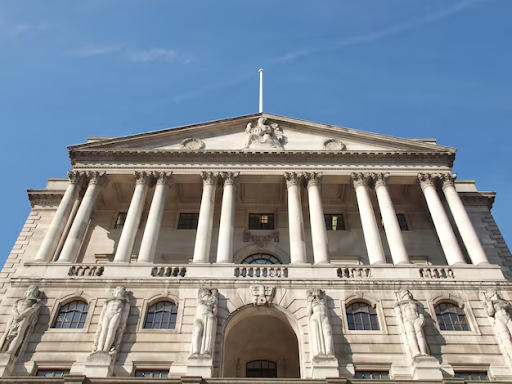
Picture Credit: www.freepik.com
51