
The second round of nuclear talks between Iran and the United States in Geneva was, on its surface, a technical discussion about uranium enrichment levels and inspection protocols. But beneath that technical surface lies a far larger question: whether the two countries can find a way to coexist in a region where they have spent decades in confrontation.
Iran’s foreign minister described Tuesday’s session as “more constructive” than the first and said both sides had agreed on general guiding principles. Written proposals would be exchanged before a third meeting in two weeks. These are meaningful procedural steps, but they represent early stages in what could be an extremely long process — if it succeeds at all.
The obstacles are formidable. Washington wants Iran to abandon domestic uranium enrichment entirely — a demand Tehran has consistently and categorically rejected. Iran refuses to put its ballistic missile program or its regional alliances on the table. Previous talks on IAEA inspection protocols broke down in Cairo. And the US military is visibly reinforcing its presence in the Gulf even while diplomats talk in Switzerland.
Iran’s broader offer — which includes a non-aggression pact with the US and possibly Israel, and an economic cooperation package — suggests Tehran is thinking beyond a narrow nuclear fix. Whether that expansive vision can be translated into a concrete agreement that both governments can sell to their domestic constituencies is another matter entirely.
The talks are unfolding as Iran simultaneously confronts a domestic crisis: more than 10,500 protesters summoned for trial, reformist politicians facing charges, and a population still grieving deaths from recent unrest. A government navigating that level of internal pressure while simultaneously engaging in high-stakes diplomacy is operating at the very edge of its political bandwidth.
Iran-US Talks: Inside the Diplomatic Dance That Could Reshape the Middle East
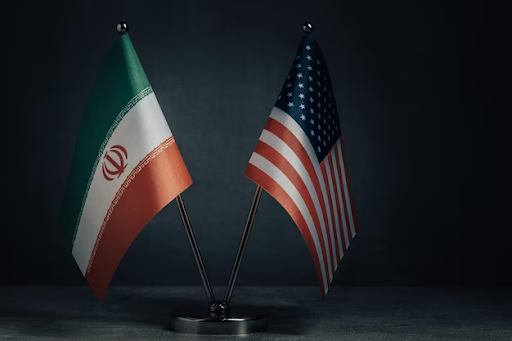
Picture Credit: www.freepik.com
49