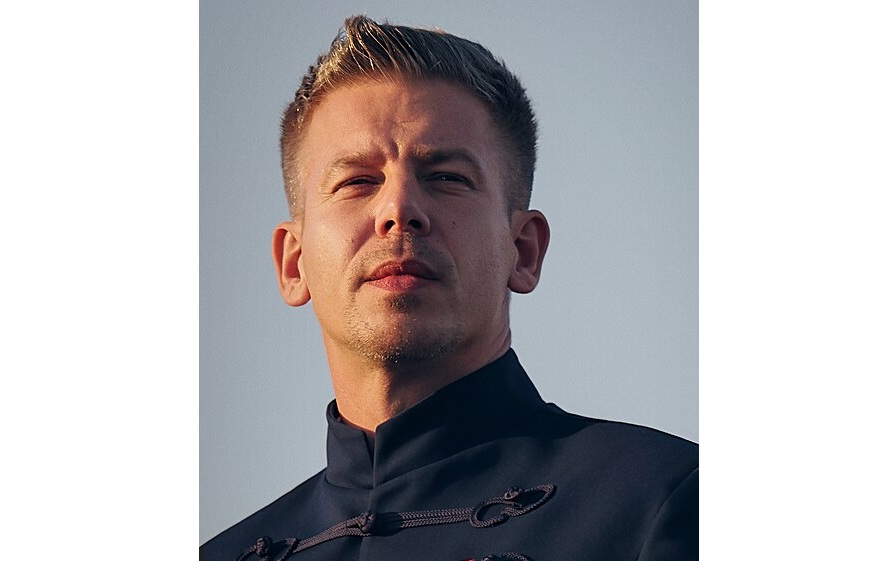
The recent European Council summit placed significant emphasis on Ukraine’s bid for EU membership, sanctions policies, and the broader economic challenges confronting the European Union, according to Hungarian Prime Minister Péter Magyar. He noted that the summit’s declaration on Ukraine only included language unanimously agreed upon by EU member states, highlighting the cautious approach taken by the bloc. A proposal intended to expedite Ukraine’s accession process was removed after consultations among member countries, reflecting ongoing debates about the pace of Ukraine’s integration and its potential economic repercussions.
The topic of Ukraine’s EU membership continues to spark discussions within the EU, with varying opinions on how swiftly the country should be integrated. While some nations advocate for a faster accession process, others express concerns about the economic implications and readiness of Ukraine to join the union. This balance of interests underscores the complex dynamics at play as EU leaders navigate the path forward for Ukraine.
In addition to discussions focused on Ukraine, Prime Minister Magyar engaged in talks with European Parliament President Roberta Metsola. Their conversation touched on Hungary’s ongoing Article 7 procedure and other EU-related matters. The summit also provided an opportunity for Magyar to meet with Slovak Prime Minister Robert Fico and participate in sessions with leaders from the Visegrád Group, which comprises Hungary, Poland, the Czech Republic, and Slovakia.
Magyar underscored the significance of revitalizing Visegrád cooperation among Central European nations, emphasizing plans for further regional dialogue to be hosted in Hungary. This initiative aims to strengthen collaboration and address shared challenges within the region. Meanwhile, EU leaders are also expected to continue discussions on the bloc’s long-term budget framework for 2028–2034, which is crucial for shaping the financial future of the union.