
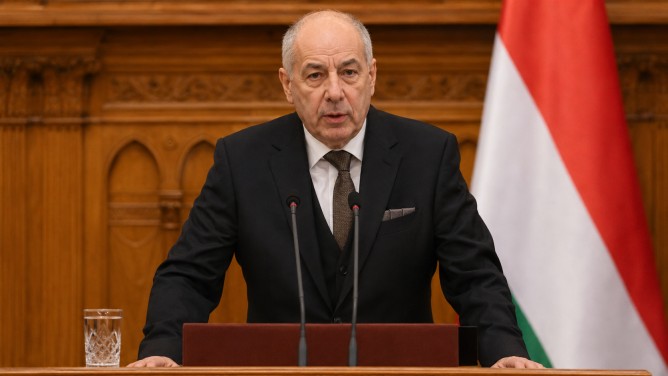
A significant constitutional clash is unfolding in Hungary following the approval of a legislative amendment that could prematurely terminate President Tamás Sulyok’s tenure. The controversial proposal, supported by the parliamentary majority, mandates the president’s signature before it can be enacted. This requirement has led to a legal impasse, as endorsing the amendment would effectively end Sulyok’s presidency ahead of time.
Amid this dispute, President Sulyok has taken a firm stand on the importance of maintaining judicial independence and the supremacy of legal principles over political influences. During a speech at the “Day of the Courts” event, he underscored the necessity of upholding the rule of law, with his comments widely perceived as a direct response to the unfolding constitutional issues. His office further emphasized the importance of respecting constitutional principles and cautioned against the unchecked exercise of parliamentary authority.
Constitutional analysts suggest that President Sulyok’s options are limited under the current legal framework. He could challenge the amendment by referring it to the Constitutional Court on procedural grounds. However, if the court does not identify any legal violations, the president would be obliged to sign the amendment into law. Failing to do so could lead the parliament to start impeachment proceedings or declare him temporarily unfit for office, enabling the parliamentary speaker to assume presidential duties and approve the amendment.
The proposed constitutional change has sparked broader discussions about the rule of law in Hungary, with legal experts highlighting the necessity for any amendments to respect legal certainty and uphold the independence of public institutions. The situation underscores the delicate balance between legislative power and constitutional governance, as Hungary navigates this contentious political and legal landscape.