
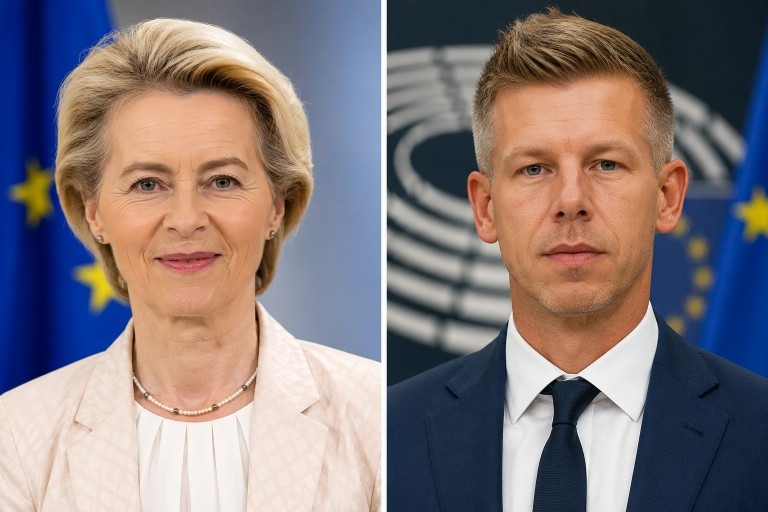
Significant progress has been made between Hungary and the European Commission, resulting in the release of billions of euros in European Union funds that were previously withheld. This comes as Hungary commits to a series of reforms aimed at improving transparency, governance, and the management of EU funds. European Commission President Ursula von der Leyen noted that Hungary has already initiated steps to tackle these issues, with planned reforms to bolster anti-corruption measures, enhance oversight, and integrate with the European Public Prosecutor’s Office.
As part of the agreement, Hungary is set to receive €16.2 billion in EU funding, which will be directed towards key areas such as infrastructure, energy security, housing, transportation, and business development. The potential for additional funding exists, contingent on the implementation of further reforms, particularly those focused on higher education and academic governance. Hungarian Prime Minister Péter Magyar highlighted the significance of this funding package, describing it as a crucial boost for the country’s economic growth and investment initiatives.
An important aspect of the agreement is the reinstatement of Hungarian students into the Erasmus exchange program, anticipated to commence in the upcoming academic year. This step is seen as a positive development in educational cooperation and opportunities for Hungarian students.
Despite these advancements, migration policy continues to be a contentious issue in Hungary’s discussions with the EU. Prime Minister Magyar reiterated Hungary’s commitment to strict border controls and the prevention of illegal migration, while also adhering to its European obligations. He stressed the necessity of efficiently protecting the EU’s external borders and confirmed that Hungary will not be establishing migrant camps within its territory.
The funding agreement represents a pivotal moment in the relationship between Hungary and the European Commission, following years of disagreements over governance, judicial reforms, and budgetary matters. This development is expected to improve bilateral relations and foster closer cooperation between the two entities.