
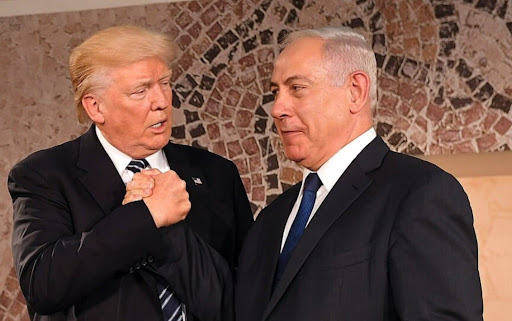
For Iranian leadership, the Trump-Netanyahu alliance has been simultaneously the most serious external threat the Islamic Republic has faced in decades and a potential source of strategic opportunity. The South Pars gas field episode — with its visible internal tensions, its public acknowledgment of different objectives, and its demonstration that broad regional retaliation generates real pressure on the alliance — provided Tehran with a more detailed map of that alliance’s landscape than any single military encounter had previously offered. How Iran uses that map will shape the conflict’s next phase.
The most useful intelligence the episode provided to Tehran was the confirmation, from the US government’s own intelligence chief, that Trump and Netanyahu are pursuing different objectives. An alliance with acknowledged different objectives has structural fault lines that a sophisticated adversary can attempt to exploit. Iran’s diplomatic strategy — already oriented toward driving wedges between America and its regional partners — now has official American confirmation that the primary military partnership has its own internal divergence. That confirmation is strategically significant.
Iran also learned more precisely where Trump’s tolerance thresholds lie. The South Pars strike triggered American pushback at a level that Iran can calibrate against. Trump objected to strikes on major economic infrastructure; he has been less explicitly vocal about the assassination program. Iran can use this calibration to assess which categories of escalation are more likely to generate significant American constraint on Netanyahu — and which categories Netanyahu is more likely to be permitted to continue pursuing regardless of American discomfort.
Iran’s retaliation strategy — broad regional strikes on energy infrastructure — was validated as effective by the episode’s outcomes. Gulf states complained loudly to Trump. Netanyahu accepted a narrow limitation. The strategy of imposing costs on third parties to generate alliance pressure worked, at least partially. Tehran is likely to continue employing it, with refinements based on what the South Pars response revealed about which kinds of regional costs generate the most political pressure on the Trump-Netanyahu partnership.
Director of National Intelligence Gabbard’s testimony was almost certainly assessed in Tehran as the most valuable public statement about the alliance in months. When your adversary’s own intelligence chief confirms your assessment of their internal divisions, it provides confirmation that your intelligence analysis has been accurate — and encouragement to continue the strategies that exploit those divisions.